

Brush Factories Reduce Energy Consumption in Bristle Heat Setting Processes
中文]严格按照以下格式返回:
Brush Factories Reduce Energy Consumption in Bristle Heat Setting Processes
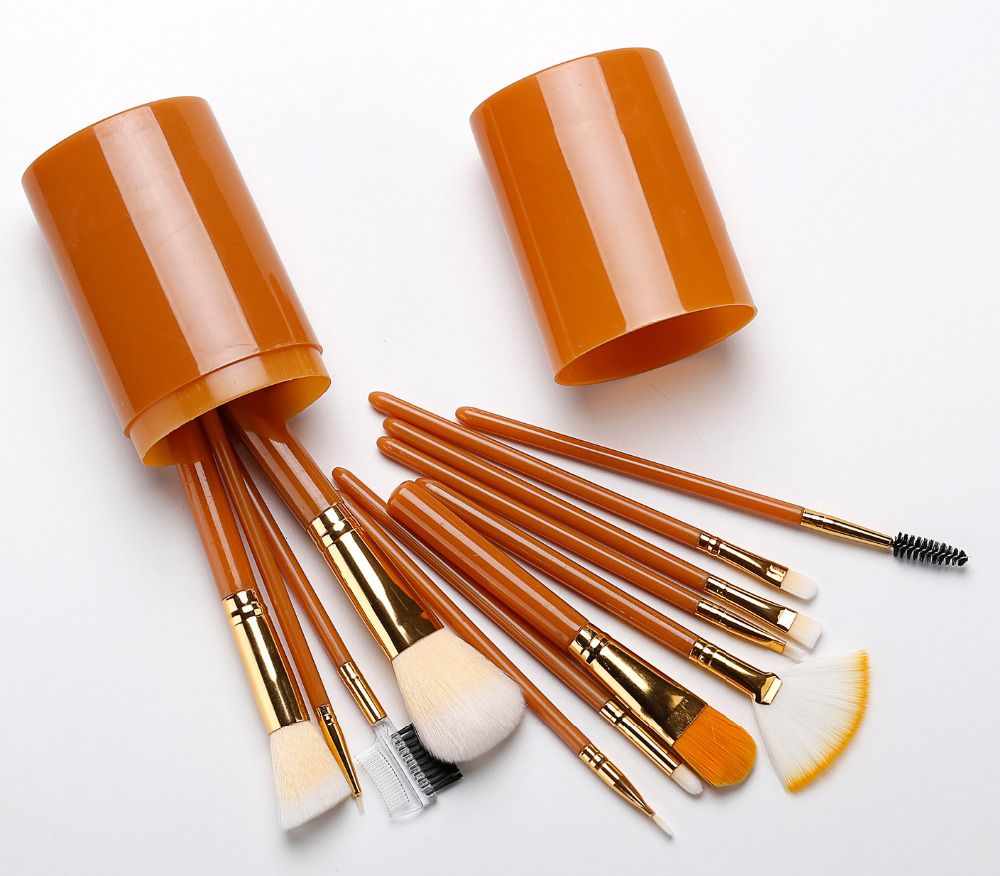
In the competitive landscape of cosmetic brush manufacturing, bristle heat setting stands as a critical process that determines the durability, shape retention, and overall quality of the final product. Traditionally, this step has been energy-intensive, relying on conventional heating methods like electric resistance heaters or coal-fired boilers that often result in significant heat loss and high carbon footprints. However, driven by global sustainability trends, rising energy costs, and increasing consumer demand for eco-friendly products, brush factories worldwide are now prioritizing energy reduction in bristle heat setting, leveraging innovative technologies and process optimizations to achieve both environmental and economic benefits.
The bristle heat setting process involves subjecting synthetic or natural bristles to controlled high temperatures (typically 120–180°C) to stabilize their structure, ensuring they maintain shape during use and resist deformation. Historically, factories used large ovens with poor insulation, where heat was distributed unevenly—leading to overheating of some bristle batches and underheating of others, requiring reprocessing and further energy waste. Additionally, many facilities operated these systems continuously, even during off-peak production hours, resulting in idle energy consumption.
Today, the industry is undergoing a transformation. One key innovation is the adoption of infrared (IR) heating technology. Unlike traditional ovens that heat the entire air volume, IR heaters emit electromagnetic radiation that directly heats the bristles, minimizing heat loss to the surrounding environment. A case study from a leading Chinese brush manufacturer showed that switching to IR heating reduced energy consumption by 28% in their heat setting line, as the targeted heating cut down on preheating time and eliminated the need for constant temperature maintenance in empty oven spaces.
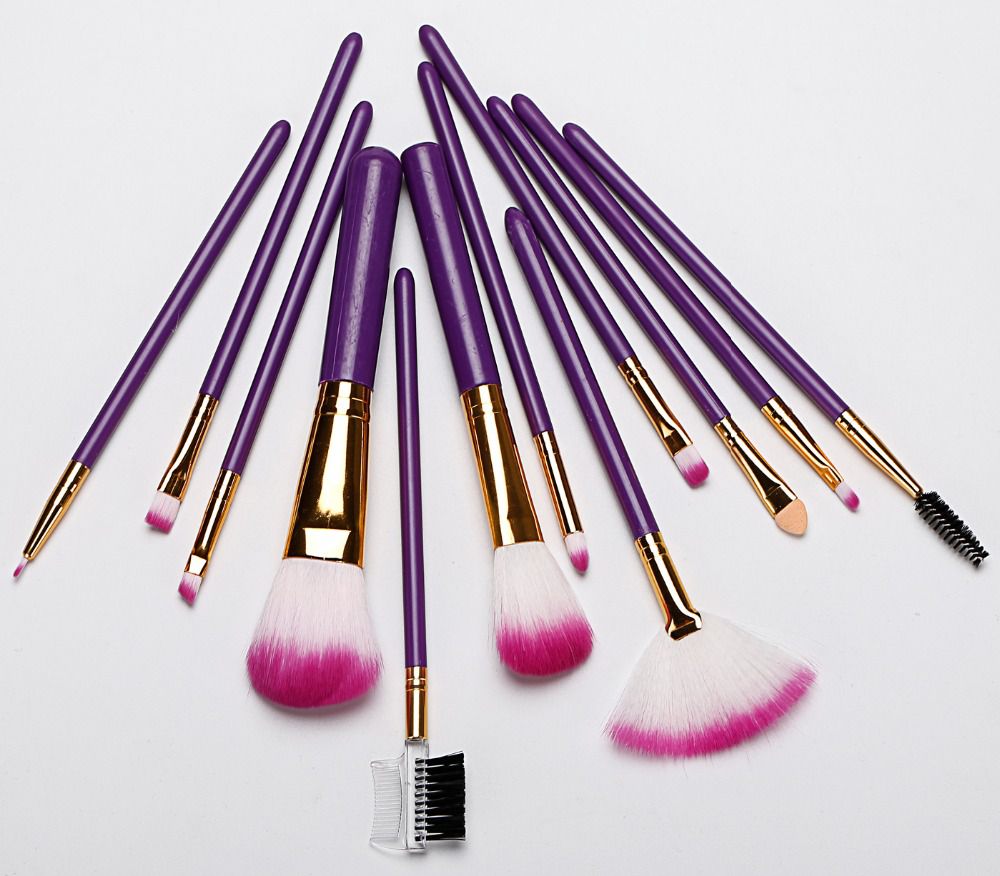
Another impactful strategy is the integration of waste heat recovery systems. Bristle heat setting generates substantial exhaust heat, which was previously released into the atmosphere. Modern factories now install heat exchangers that capture this waste heat and redirect it to preheat incoming bristle materials or supplement other production processes, such as bristle washing or drying. A European brush factory reported saving 15% on total energy costs after implementing such a system, with the recovered heat covering 30% of the preheating需求 for their bristle batches.
Smart temperature control systems, powered by IoT sensors and AI algorithms, are also playing a pivotal role. These systems monitor bristle moisture levels, density, and material type in real time, adjusting heating parameters dynamically to avoid overheating. For example, synthetic bristles like nylon require precise temperature control to prevent melting, while natural bristles (e.g., goat hair) need gentler heating to preserve softness. AI-driven controllers can reduce temperature fluctuations by up to 12%, according to industry data, ensuring consistent quality while cutting energy use by 10–15% compared to manual adjustments.
Beyond technological upgrades, process optimization is equally crucial. Factories are now grouping bristle batches by material type and size to minimize heating time variations, and scheduling heat setting during off-peak electricity hours when energy rates are lower. Some are also switching to low-emissivity (low-E) oven insulation materials, which reduce heat loss by 40% compared to standard insulation, further lowering energy demand.
The shift toward energy-efficient bristle heat setting is not just an environmental choice but a business imperative. With energy costs accounting for 15–20% of total production expenses in brush manufacturing, these reductions directly boost profit margins. Moreover, consumers are increasingly favoring brands with transparent sustainability practices; a 2023 survey by a global beauty industry association found that 68% of consumers would pay a premium for cosmetic tools produced using eco-friendly processes.
As brush factories continue to innovate, the future of bristle heat setting lies in the integration of renewable energy sources, such as solar-powered heating systems, and the development of biodegradable bristle materials that require lower heat inputs. For now, the combination of IR heating, waste heat recovery, and smart controls is setting a new standard—proving that sustainability and efficiency can go hand in hand in the pursuit of high-quality cosmetic brushes.
外语]严格按照以下格式返回:
Brush Factories Reduce Energy Consumption in Bristle Heat Setting Processes
In the competitive landscape of cosmetic brush manufacturing, bristle heat setting stands as a critical process


